

Cloud Migration Strategies for Small & Mid-Size Businesses
A Practical Guide to Moving to the Cloud - Without the Confusion
For many small and mid-size businesses, cloud migration feels like a big leap. There's excitement about scalability and cost savings - but also real concerns about downtime, security, and unexpected expenses.
The good news? Cloud migration doesn't have to be overwhelming.
With the right strategy, clear planning, and a phased approach, moving to the cloud can become one of the smartest technology decisions your business makes.
What Does Cloud Migration Actually Mean?
Cloud migration is simply the process of moving your applications, data, and IT systems from physical servers (on-premises infrastructure) to cloud-based environments.
Instead of managing hardware in your office, your systems run on secure, scalable cloud platforms. This means:
- No more heavy upfront hardware investments
- Flexible storage and computing power
- Access from anywhere
- Built-in backup and disaster recovery
It's not about replacing everything overnight. It's about modernizing step by step.
Why SMBs Are Moving to the Cloud
Small and mid-size businesses operate differently from large enterprises. Budgets are tighter. Teams are smaller. Efficiency matters more.
Here's why cloud adoption makes sense:
1. Predictable Costs
You move from capital expenditure (buying servers) to operational expenditure (pay-as-you-use model).
2. Easy Scalability
Need more storage during peak season? Scale instantly. Business slowing down? Reduce usage and costs.
3. Improved Business Continuity
Cloud platforms offer automated backups and disaster recovery options that many SMBs struggle to implement on their own.
4. Stronger Security
Modern cloud environments include encryption, identity management, and monitoring tools that improve overall data protection.
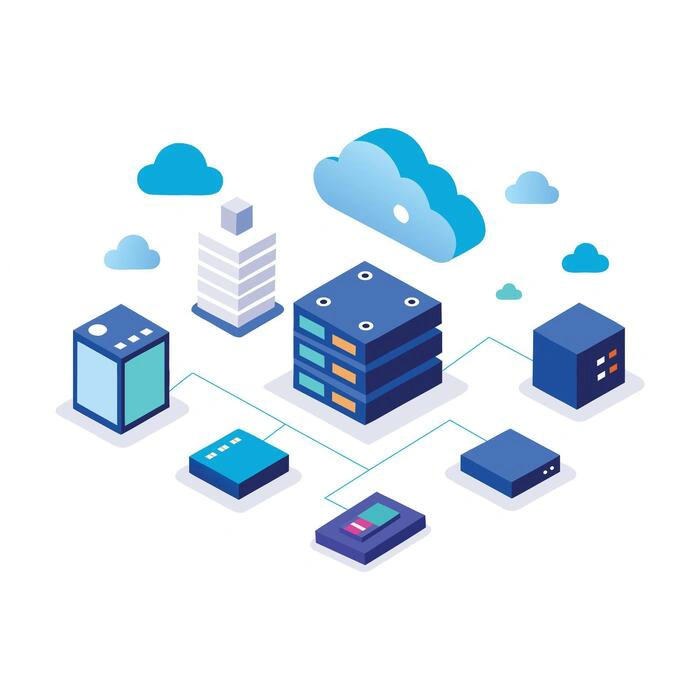
A Practical Cloud Migration Strategy for SMBs
Now let's talk about how to actually do it - properly.
Common Challenges (And How to Handle Them)
Most SMBs face similar hurdles:
Budget limitations
Limited in-house expertise
Legacy system integration
Fear of downtime
The solution? Structured planning, phased deployment, and expert guidance when needed.
Preparation always reduces risk.
A Simple Cloud Migration Roadmap
Here's a simplified sequence you can follow:
Final Thoughts
For small and mid-size businesses, cloud migration is about moving forward strategically - not rushing into change.
With a clear roadmap, defined objectives, and a phased approach, cloud adoption can improve scalability, enhance security, and create long-term operational efficiency.
The goal is simple:
Modernize your infrastructure while minimizing risk and maximizing value.
When done right, cloud migration becomes more than a technology shift - it becomes a foundation for sustainable growth.